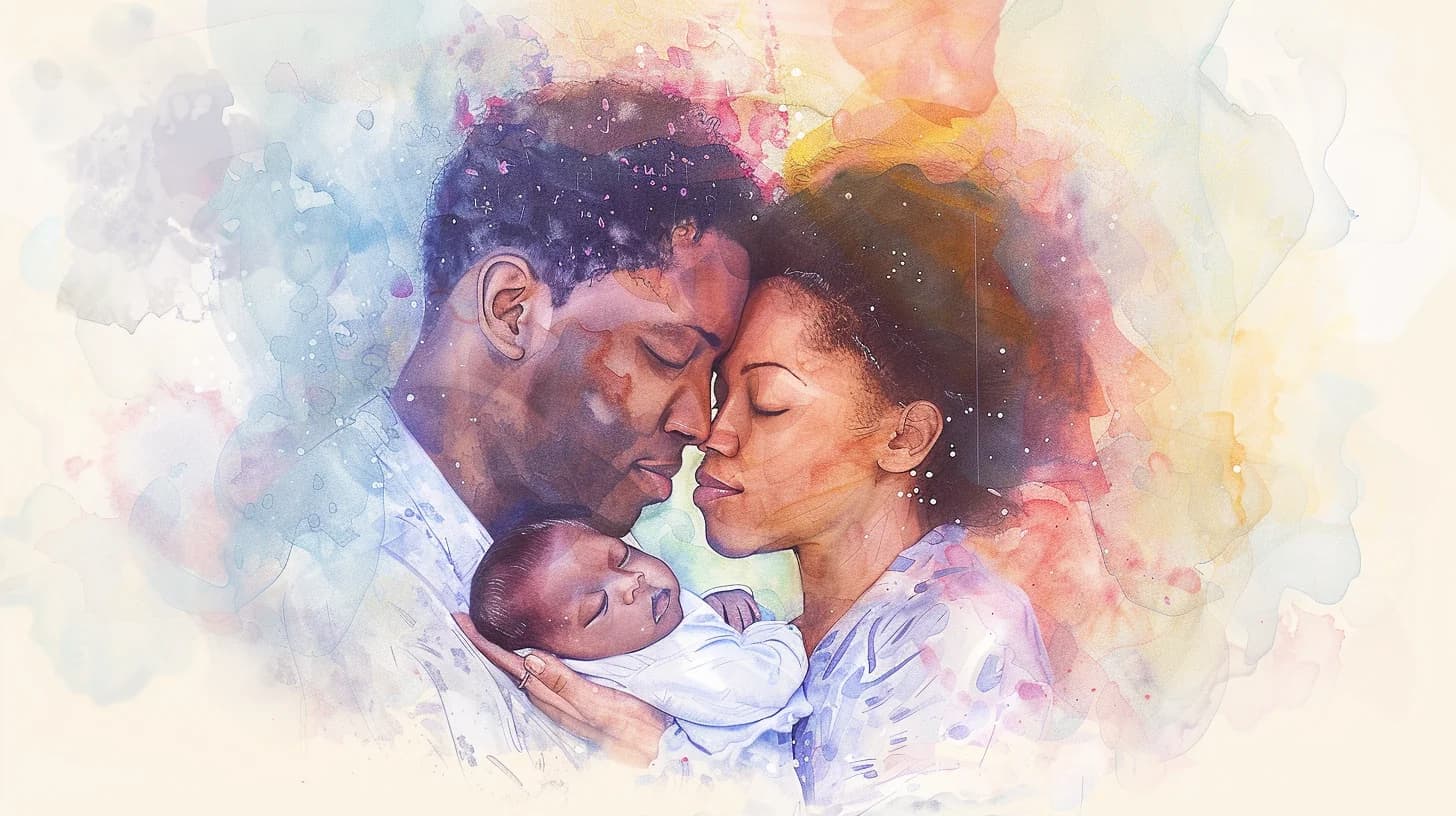
It is day five. You cried when the lactation consultant left, cried when your partner asked if you wanted toast, and cried at a diaper commercial. Everyone around you says the same thing: it's the baby blues, totally normal, it will pass.
They are probably right. Most new moms get the blues. The question I get in my office is the one underneath that: how do I know when it is something more, and how long do I wait to find out?
I am a perinatal psychologist in Austin, and this is how I tell the two apart. The short version is that the difference comes down to how long it lasts, whether it is getting better or worse, and whether you still get real moments of yourself in between.
What the baby blues actually are
The baby blues usually start two or three days after birth, right around the time your milk comes in, peak somewhere around day five, and are gone by two weeks. They are your hormones settling after one of the steepest drops your body ever goes through, on top of no sleep and a brand new job that is 24/7 with no breaks.
They feel like this: tearful for no reason you can name, up one minute and down the next, touchy, overwhelmed, anxious about the baby. And in between, you still have good hours. You laugh at something. You look at her and feel it. You are tired and teary, but you are mostly yourself.
The blues do not need treatment. They need sleep when you can get it, people who feed you, and a little time. Most moms feel steadier by week three.
What postpartum depression looks like instead
Postpartum depression is what happens when it does not lift, or when it arrives later and settles in. It can start any time in the first year, and about one mom in five gets it.
It often does not look like sadness. The moms I see are more likely to be furious, wired, flat, or foggy than tearful. They are functioning, nobody would guess, and they have not felt like themselves in weeks. I wrote a full guide to the symptoms, including the ones nobody warns you about. The short version: with the blues, a good night's sleep helps. With postpartum depression, it does not, and a dark cloud seems to sit over everything.
How to tell them apart
| Baby blues | Postpartum depression | |
|---|---|---|
| When it starts | Days two to five | Any time in the first year |
| How long | Lifts by about two weeks | Lasts past two weeks, often months |
| Direction | Getting better, day by day | Flat, or getting worse |
| In between | Real good hours, real joy | Low, flat, or anxious most of the day |
| Can you function | Yes, with effort | It is getting hard, even if nobody can tell |
| Guilt, worthlessness, scary thoughts | Rare | Common |
| What it needs | Rest, support, time | Treatment, which works |
If you only take one thing from this post: at two weeks, check in with yourself. Not better? Worse? That is no longer the blues, and it's time to talk to someone.
The timeline, because it matters most
- Days two to three: the blues start. Weepy, swingy, overwhelmed.
- Around day five: they peak. This is often the worst day, and it is still normal.
- By two weeks: they should be gone, or nearly. You feel more like yourself more of the time.
- After two weeks: if you are not better, it is time to talk to someone.
- Any time in the first year: postpartum depression can start fresh, often at weaning, a sleep regression, or going back to work. Feeling fine at six weeks does not rule it out at six months.
"But I'm functioning"
Yes, and you can still have postpartum depression. This is the myth that keeps the most moms from getting help: that it means you cannot get out of bed. Many moms with postpartum depression feed the baby, change the diapers, show up to everything, and feel completely empty doing it. I call it autopilot. You look fine on the outside, but inside you're not.
If joy feels impossible, connection feels fake, and every day is something to survive, that counts. It does not have to be dramatic to deserve treatment.
What to do at two weeks
Call your OB or midwife. They screen for this at your postpartum visit, and you do not have to wait for the appointment. If saying it out loud feels impossible, I wrote the words for you.
If you want a number first, the two-minute screen your provider uses is free, and I explain what your score means.
If your partner is the one reading this because they are worried about you, this one is for them. Partners often notice the shift before we do.
And if it is bigger than that, if you have thoughts of harming yourself, or you feel confused or out of touch with reality, call or text 988 or go to the nearest emergency room. That is rare, it is an emergency, and help is immediate.
If it is more than the blues
I'm a licensed clinical psychologist, a certified perinatal mental health specialist, and this is the work I do most. We usually meet weekly for the first eight to twelve weeks, in my office in Austin or on video, then taper as you start to feel better. Most moms feel more like themselves around the third month. Babies are in my office every week, and I look forward to it.
You don't have to be "bad enough" to benefit from support. Many of the moms I work with aren't clinically depressed at all. They're dealing with the everyday stress of becoming a mom, and therapy helps with that just as much as it helps with depression or anxiety.
The first step is a free 15-minute call. Tell me what the last two weeks have been like, and I will tell you honestly what I think it is.
Specialized Postpartum Support
Get compassionate, evidence-based care tailored to your postpartum journey.
Frequently asked questions
- Can the baby blues last longer than two weeks?
- Not really. Two weeks is the line most clinicians use, and I use it too. If you are still weepy, flat, or anxious most of the day past two weeks, or you are getting worse rather than better, that is worth a conversation with your OB, midwife, or a perinatal therapist. You do not need to be sure before you ask.
- Can postpartum depression start in the first few days, before the blues would even be over?
- Yes. Depression and anxiety can begin in the first week, especially after a hard birth, a NICU stay, or a history of either. What points away from the blues early is intensity: scary thoughts, not sleeping when you finally can, or feeling nothing at all for the baby. Those are reasons to reach out now rather than wait for day fourteen.
- Can I have the baby blues and then get postpartum depression later?
- Yes, and it is common. The blues lift at two weeks and then something else arrives at three months, or six, often at weaning, a sleep regression, or going back to work. Feeling fine early does not rule it out later.
- I still have good hours. Does that mean it is just the blues?
- Good hours matter, and they are typical of the blues. But by two weeks the good hours should be most hours. If the good ones are getting rarer, or you are faking them, that tips toward depression even with some joy mixed in.
- I am crying constantly but I do not feel sad. What is that?
- Often it is anxiety, or exhaustion, or grief for the life you had, rather than depression, and sometimes it is all three. I wrote a separate post on postpartum crying spells that walks through what the crying can mean and what to do when you cannot stop.

Dr. Jana Rundle
Licensed Clinical Psychologist