The worry doesn’t switch off
You replay today and rehearse tomorrow. Even good news gets run through the “but what if” machine.
Anxiety therapy · Austin & online in 40+ states
Your mind won’t stop. You replay conversations, brace for tomorrow, and lie awake running worst cases. Everyone says “just relax.” If you could, you would have by now.
Anxiety isn’t a weakness or a personality flaw. It’s a pattern your brain learned to keep you safe, and now it fires when there’s no real threat. The racing thoughts, the tight chest, the avoidance, the dread: those are symptoms, and they respond to treatment. I’m a psychologist who does this work every week, and I know the inside of an anxious mind.
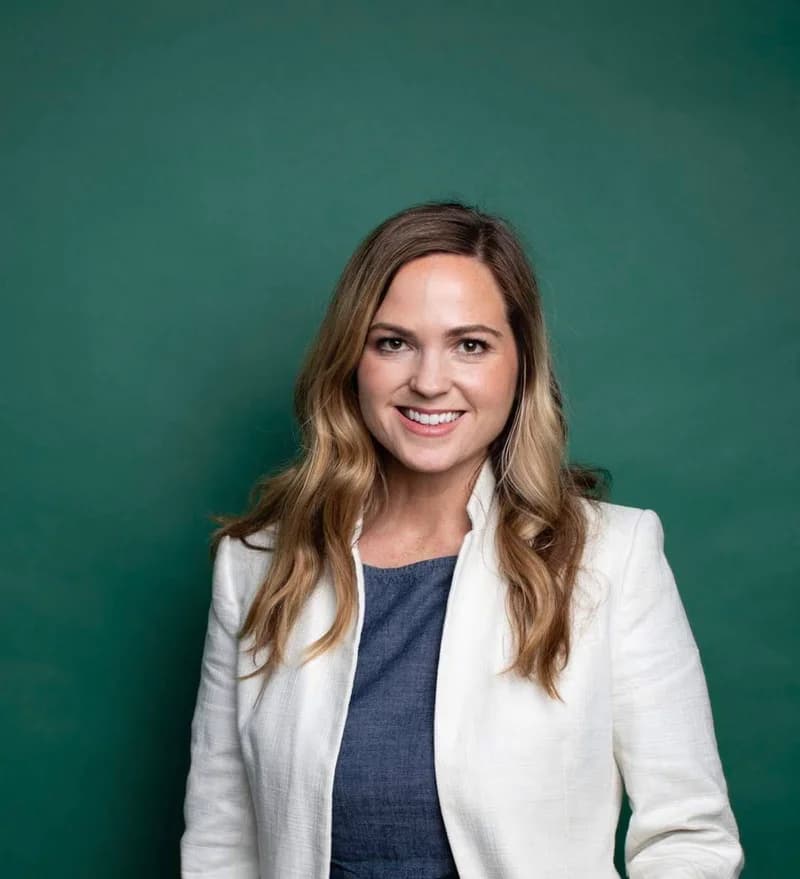
A 15-minute call with me, Dr. Jana Rundle.
This is for you if
You’re getting everything done. Nobody at work would guess. And underneath, your nervous system has been in overdrive for so long you’ve forgotten what calm feels like. These are the signs I listen for:
You replay today and rehearse tomorrow. Even good news gets run through the “but what if” machine.
Places, people, driving, the doctor, the hard conversation. Each one you skip makes the next one harder.
The racing heart, the air that won’t come, the certainty that something is very wrong. Then the dread of it happening again.
Tension, nausea, a clenched jaw, insomnia. You’re tired in a way that sleep doesn’t fix.
If some of this sounds familiar, a 15-minute conversation is an easy next step.
Book a free consultationTools that work outside my office
Anxiety therapy with me is structured and practical. The point is tools that work in your real life, not just in a therapy room. Depending on what’s going on for you, we might work on:
What sets you off, what your brain does with it, and why avoidance keeps making it worse. Once you can see the loop, you can interrupt it.
In the moment, not an hour later. Then checking whether it’s true. Usually it isn’t, and you learn to trust that.
Gradually, at your pace, building evidence that you can handle more than anxiety says you can.
Practical techniques for when your heart races or panic starts to build, that you can use in a meeting or a parking lot.
Quieting the 2 a.m. rehearsal so your body can do the recovering it needs to.
The goal isn’t to never feel anxious. It’s to stop anxiety from making your decisions for you.
Working with me
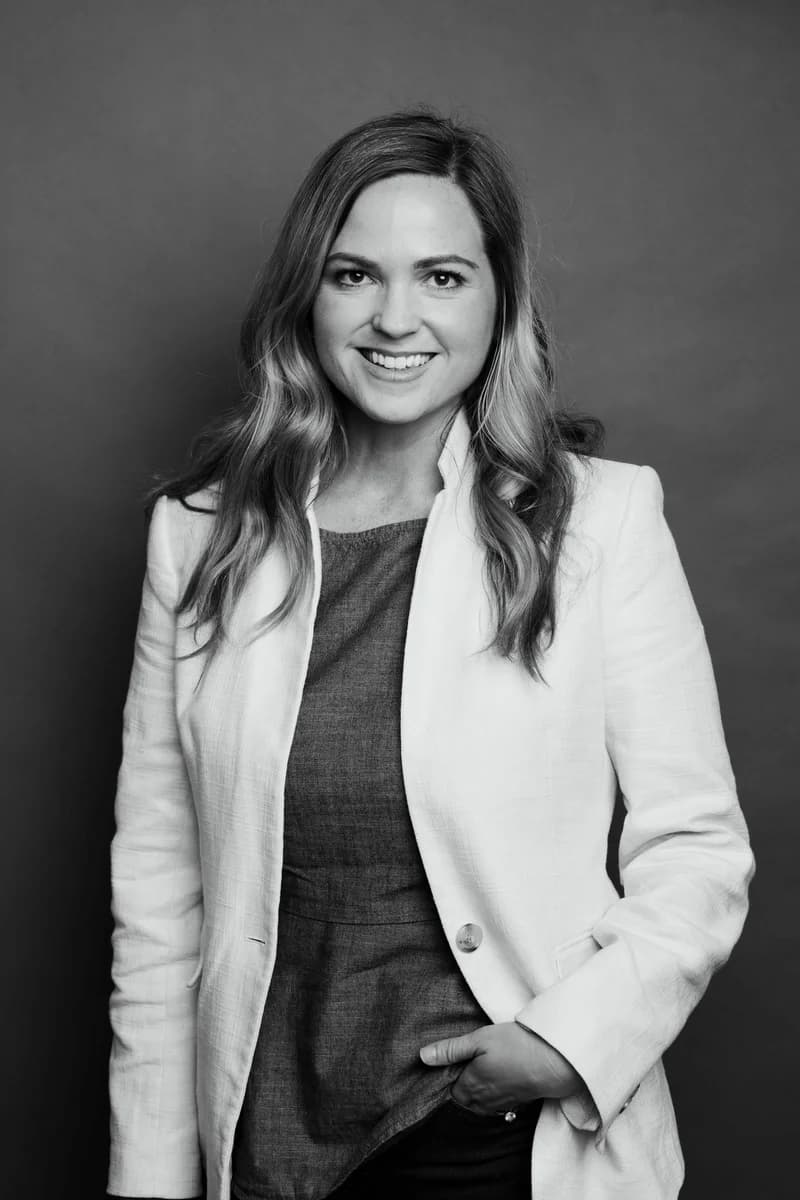
I have extensive training in the treatments that work for anxiety and panic, and I understand what’s happening in an anxious brain and body. I also know what it’s like from the inside. We won’t spend months admiring the problem; we’ll start changing it in the first few sessions.
In person at my Austin office or by video, including evenings when the day is finally quiet.
You tell me what the anxiety is doing to your days; I tell you honestly whether I’m the right fit.
Something to use this week in the first sessions. Weekly for 8 to 12 weeks, then every other week or monthly.
Face things in order, notice what actually happens, and let your nervous system update. We track what’s changing.
Related
Anxiety wears different clothes. If yours showed up with a baby, or if it looks a lot like running a demanding life on no margin, one of these pages may speak to you more directly.
A few practical details
In person at my Austin office.
Online in 40+ states.
Everyone worries. It becomes a disorder when it’s most days, hard to control, gets in the way of work, sleep, or relationships, and shows up in your body. If worry is making your decisions for you, that’s enough reason to come in. You don’t need to qualify for a diagnosis first.
Yes, and well. Panic attacks are terrifying and not dangerous: your body is sounding a false alarm. We work on understanding the alarm, calming the body, and breaking the fear-of-the-next-one cycle, which is usually what keeps panic going.
Many people feel some relief within the first few sessions as the first tools take hold. I usually tell people they feel substantially different by the third month. We meet weekly for the first 8 to 12 weeks, then taper.
Not unless it’s relevant and you want to. Anxiety work is mostly about the present: the thoughts, the body, the avoidance, and what to do differently this week. If old experiences are driving the pattern, we go there at a pace that feels safe.
No. Many people get well with therapy alone, especially with mild to moderate anxiety. For severe anxiety or panic, medication alongside therapy can help. I don’t prescribe, but I coordinate with your doctor or a psychiatrist if that becomes part of the plan, and the decision is yours.
Most of my clients were. The first session is low pressure: I explain how this works, you ask anything, and you leave with one or two things to try. Video sessions can feel easier if being seen is part of the anxiety, and the free 15-minute call lets you test the water first.
Yes. We work on telling realistic concern from anxiety-driven catastrophizing, cutting back the checking and reassurance-seeking, tolerating medical uncertainty, and, if you want, gradually facing the procedures you’ve been avoiding.
Some anxiety is part of being alive, and stressful seasons will stir it up. The difference is that you’ll recognize it and know exactly what to do. Many clients come back for a session or two during a big transition, which is a normal part of taking care of yourself.
If you’ve had a baby in the last year or two and the worry centers on her safety, it may be, and I have a dedicated page for that. The treatment overlaps, but the postpartum version has its own texture, and I specialize in it.
I’m an out-of-network provider. You pay at the time of the session and I give you a monthly superbill to submit to your insurance; many PPO plans reimburse a portion. Current fees are on the fees and insurance page, and the first 15-minute consultation is free.
Your next step
A free 15-minute consultation with Dr. Jana Rundle.