
Austin Postpartum Anxiety Therapist
Expert support for new moms. Struggling with constant worry, racing thoughts, or intrusive fears about your baby? You're not alone. Get expert help from a psychologist who specializes in postpartum anxiety and OCD.
PMH-C
Certified Specialist
15+
Years Experience
100%
Confidential
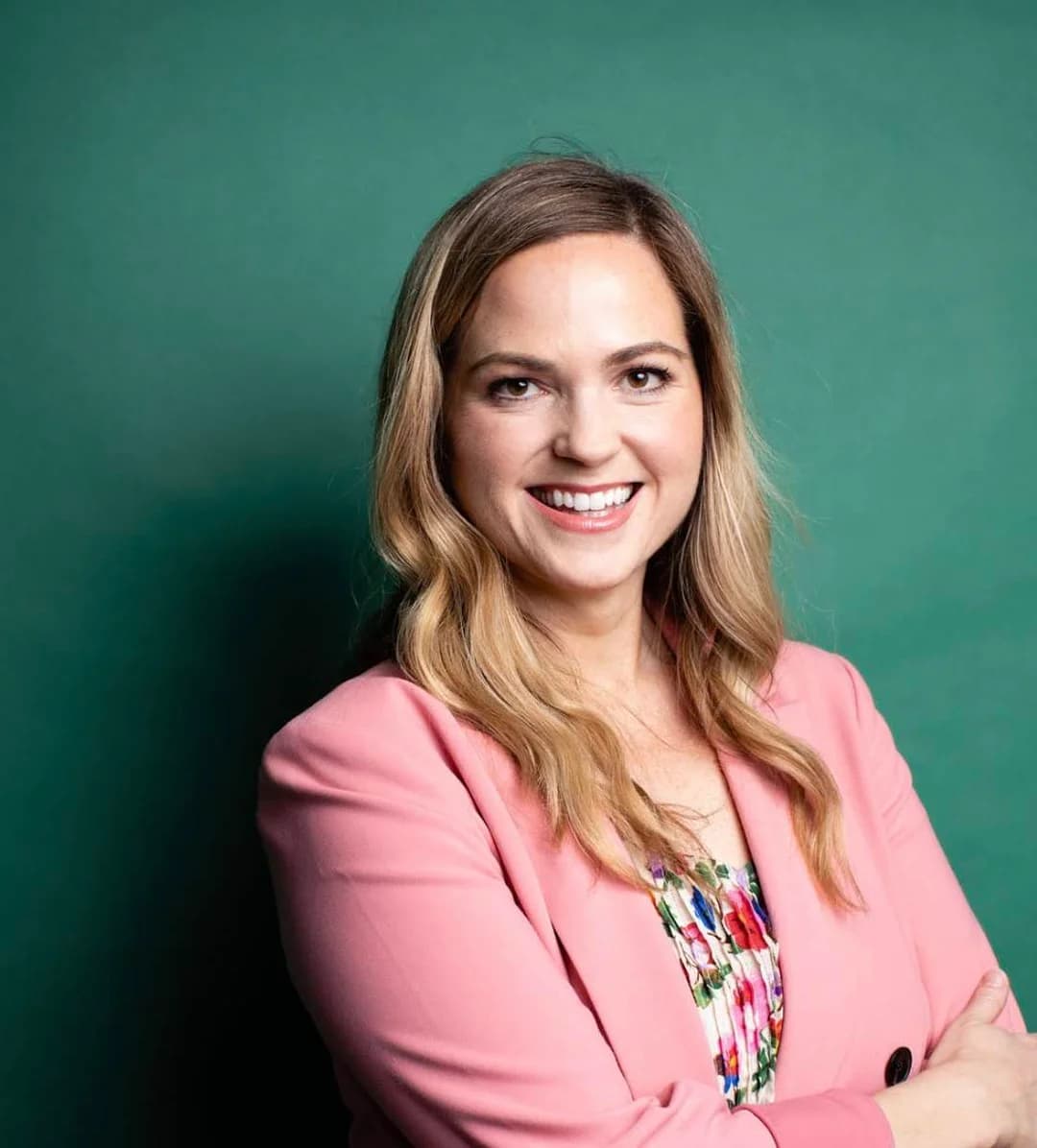
Dr. Jana Rundle, PsyD
Licensed Clinical Psychologist
Specializing in Postpartum Anxiety & OCD
Understanding Postpartum Anxiety
Postpartum anxiety (PPA) is one of the most common perinatal mood disorders, affecting 10-15% of new moms in Austin and nationwide. Unlike the expected nervousness of new parenthood, postpartum anxiety involves persistent, excessive worry that interferes with your daily life and ability to enjoy motherhood.
Common Symptoms of Postpartum Anxiety
Mental Symptoms
- •Constant, racing worry about baby's safety
- •Intrusive, disturbing thoughts
- •Difficulty concentrating or making decisions
- •Feeling "on edge" or unable to relax
Physical Symptoms
- •Racing heart or palpitations
- •Trouble sleeping even when baby sleeps
- •Nausea, dizziness, or shortness of breath
- •Muscle tension or restlessness
Postpartum Anxiety vs Postpartum OCD: What's the Difference?
Both conditions involve intense worry, but the pattern is different—and this distinction matters for treatment.
Postpartum Anxiety
- •Constant, generalized worry about baby's safety
- •"What if something bad happens to my baby?"
- •Physical symptoms: racing heart, nausea, tension
- •Difficulty relaxing or feeling on edge
- •Worry feels excessive but somewhat rational
Postpartum OCD
- •Specific, graphic intrusive thoughts about harm
- •"What if I drop/harm/hurt my baby?"
- •Compulsive behaviors: checking, avoiding, seeking reassurance
- •Thoughts feel foreign and deeply disturbing
- •OCD cycle: thought → anxiety → compulsion → temporary relief
When to Seek Specialized OCD Treatment
If you're experiencing graphic, intrusive thoughts about harming your baby—even if they horrify you—you may have postpartum OCD instead of (or in addition to) general anxiety. Postpartum OCD requires specialized Exposure & Response Prevention (ERP) therapy.
Critical to understand: Having intrusive harm thoughts does NOT mean you will act on them. The fact that these thoughts disturb you is proof you would never want to harm your baby.
Searching for a Postpartum OCD Psychiatrist in Austin?
Most moms who type that search are not looking for a specific license. They are looking for someone who takes intrusive thoughts seriously and knows what to do about them.
A psychiatrist (MD or DO)
A medical doctor who evaluates symptoms, prescribes medication, and manages it over time. If an SSRI is part of your plan, this is the person who writes and adjusts that prescription.
A clinical psychologist (PsyD)
A doctoral-level clinician who diagnoses and treats with therapy rather than medication. For postpartum OCD, that therapy is Exposure and Response Prevention, the first-line treatment with the strongest evidence behind it.
To be clear about who we are: Dr. Jana Rundle is a licensed clinical psychologist (PsyD, PMH-C). She is not a psychiatrist and does not prescribe medication. What she provides is the ERP and CBT that research supports as first-line care for postpartum OCD and anxiety.
If medication belongs in your plan, you do not have to choose between the two. Dr. Rundle coordinates with your OB-GYN, primary care physician, or psychiatrist so the therapy and the prescribing work together. Many moms do best with both. If you do not yet have a prescriber, she can point you toward reproductive psychiatry options in the Austin area.
Book a Free 15-Minute ConsultationEvidence-Based Treatment for Postpartum Anxiety
Cognitive Behavioral Therapy
CBT helps you identify and change anxious thought patterns, develop coping strategies, and reduce worry. It's the gold standard treatment for postpartum anxiety with proven effectiveness.
Exposure & Response Prevention
For postpartum OCD, ERP helps you gradually face intrusive thoughts without engaging in compulsive behaviors, reducing anxiety over time and restoring confidence in your ability to care for your baby.
Mindfulness-Based Approaches
Learn grounding techniques, breathing exercises, and mindfulness practices to manage panic symptoms, reduce physical tension, and stay present rather than caught in anxious future thinking.
What a Postpartum Anxiety Therapist in Austin Actually Does
Anxiety therapy for moms is not the same as general anxiety therapy with a baby in the room. The triggers are specific: hormonal shifts, broken sleep, a new identity, and the sudden responsibility for a person who can't tell you what's wrong. Treatment has to account for all of that.
Settling the body first
Panic is physical before it's mental. You learn paced breathing, progressive muscle relaxation, and grounding you can actually use mid-feed at 3 a.m., so the racing heart and tight chest stop confirming that something is wrong.
Sleep and the support around you
Sleep deprivation and anxiety feed each other. We look at how nights are actually divided, what protected sleep could look like, and who else can hold the baby, because no amount of thought work outruns a brain running on two-hour stretches. More on sleep and new-parent mental health.
Loosening the "what if" loop
CBT work targets catastrophic predictions and the over-checking they drive. You learn to notice when your brain is treating a possibility as a certainty, and to build a realistic read on your baby's safety and your own competence.
Intrusive thoughts, checking, and reassurance
When anxiety comes with unwanted scary thoughts, checking the monitor on a loop, or needing someone to tell you the baby is fine, ERP-informed work helps you tolerate uncertainty instead of chasing relief. Read about postpartum intrusive thoughts.
If a thought ever feels like something you might act on, or you stop being able to tell what's real, that's an emergency. Call 911 or go to the nearest emergency room. You can also call or text 988 (Suicide & Crisis Lifeline) any time. For support that isn't an emergency, the National Maternal Mental Health Hotline is 1-833-852-6262 (call or text, 24/7).
How therapy usually unfolds
Assessment
A full picture of your symptoms, triggers, sleep, history, and how anxiety is affecting your days. We sort out whether this is postpartum anxiety, postpartum OCD, depression, or some mix, and you leave the first sessions with something concrete to use.
Taking the edge off
Skills for panic, physical tension, and the thought spirals that keep you awake when the baby finally sleeps. This is where many moms first notice they can breathe again.
The deeper work
Intrusive thoughts, checking rituals, avoided situations, and the beliefs underneath them ("if I stop watching, something will happen"). Gradual, planned exposure replaces avoidance with evidence.
Holding the gains
Planning for the predictable pressure points: weaning, returning to work, the next pregnancy. Sessions space out as you need them less. The pace is set by how you're doing, not by a calendar.
Not sure whether what you're feeling is "enough" to warrant therapy? That question is itself a common sign. Here are seven signs it's time to talk to someone.
Frequently Asked Questions About Postpartum Anxiety
What's the difference between normal worry and postpartum anxiety?
Normal new parent worry is manageable and doesn't interfere with daily life. Postpartum anxiety (PPA) involves excessive, persistent worry that feels uncontrollable. You might have racing thoughts, difficulty sleeping even when the baby sleeps, physical symptoms like rapid heartbeat or nausea, and intrusive thoughts about harm. If worry is consuming your day and affecting your ability to function, it's likely PPA requiring professional help.
What are intrusive thoughts and are they dangerous?
Intrusive thoughts are unwanted, disturbing thoughts about harm coming to your baby or yourself. They're extremely common in postpartum anxiety and postpartum OCD. Having these thoughts does NOT mean you'll act on them—in fact, moms with intrusive thoughts are often the most protective. These thoughts are a symptom of anxiety, not a reflection of your character. With proper treatment, intrusive thoughts can be managed and reduced.
Can postpartum anxiety occur without postpartum depression?
Yes, postpartum anxiety can occur on its own, though it often co-occurs with postpartum depression. Many moms experience anxiety as their primary symptom without significant depression. Symptoms include excessive worry, physical tension, racing thoughts, difficulty relaxing, and hypervigilance about the baby's safety. Both conditions respond well to therapy.
Will medication help my postpartum anxiety?
Medication can be very effective for postpartum anxiety, especially when combined with therapy. Many anti-anxiety medications and SSRIs are safe while breastfeeding. The decision about medication should be made with your doctor or psychiatrist. Dr. Rundle provides therapy-based treatment and can coordinate with your medical providers if medication is recommended as part of your comprehensive treatment plan.
How quickly will therapy help my anxiety?
Most moms notice some improvement in anxiety symptoms within 2-4 weeks of starting Cognitive Behavioral Therapy (CBT) or Exposure and Response Prevention (ERP) for postpartum OCD. Significant improvement typically occurs by 8-12 weeks. The timeline varies based on symptom severity and consistency of treatment, but evidence-based therapies have strong success rates for postpartum anxiety.
What does a postpartum anxiety therapist actually do?
A postpartum anxiety therapist treats the anxiety that shows up during pregnancy and after birth, using approaches built for this season of life rather than generic stress management. In practice that means Cognitive Behavioral Therapy to loosen the grip of catastrophic 'what if' thinking, Exposure and Response Prevention for intrusive thoughts, checking, and reassurance-seeking, body-based skills like paced breathing for panic, and practical work on sleep and support. The goal isn't to make you worry-free. It's to get your nervous system out of constant alarm so you can care for your baby and yourself without the dread running the show.
What's the difference between postpartum anxiety and postpartum depression?
Postpartum anxiety is about too much activation: racing thoughts, constant worry, intrusive thoughts, panic, hypervigilance, a body that won't settle. Postpartum depression is more about depletion: persistent sadness or numbness, losing interest in things, hopelessness, trouble feeling connected to your baby, very low energy. Many moms have both at once, and it's common to lead with anxiety and only later notice the depression underneath. A perinatal specialist assesses for both so the plan fits what's actually happening, not just the symptom that's loudest.
Do I need a postpartum anxiety psychiatrist or a psychologist in Austin?
It depends on what you're looking for. A psychiatrist is a medical doctor who evaluates symptoms and prescribes and manages medication. A clinical psychologist diagnoses and treats with therapy. Dr. Jana Rundle is a licensed clinical psychologist (PsyD, PMH-C); she does not prescribe. If medication becomes part of your plan, that decision is made with your OB-GYN, primary care physician, or a psychiatrist, and Dr. Rundle coordinates with them so the therapy and the prescribing work together. Many moms do best with both. If you don't yet have a prescriber, she can point you toward reproductive psychiatry options in the Austin area.
Can I do postpartum anxiety therapy virtually from anywhere in Texas?
Yes. Dr. Rundle offers secure telehealth sessions to moms anywhere in Texas, alongside in-person sessions at her North Austin office. Virtual therapy is often the more realistic option in the first year: no packing up the baby, no drive, and you can log in from the nursery during a nap or a feed. Texas licensure means you can be in Houston, Dallas, San Antonio, or a small town hours from a specialist and still get care from someone trained in perinatal anxiety and OCD.
Helpful Resources About Postpartum Anxiety
Explore our library of articles to learn more about anxiety and find relief
Sleep Deprivation and Mental Health in New Parenthood
Learn how sleep affects anxiety and strategies to break the cycle of sleep deprivation and worry.
Finding a Postpartum Anxiety Specialist in Austin
What specialized postpartum anxiety care looks like and how to find the right fit in Austin.
The Hidden Symptoms of Perinatal Anxiety Disorders
Recognize the less obvious signs of perinatal anxiety disorders beyond typical worry.
Hormonal Fluctuations and Anxiety: What Women Need to Know
Understanding how hormonal changes impact anxiety in women, especially postpartum.
Managing Anxiety in Uncertain Times
Evidence-based techniques for managing anxiety during stressful and uncertain periods.
Postpartum Anxiety Treatment Options
An overview of therapy, medication, and self-help approaches for postpartum anxiety.
In Person in North Austin, Virtual Anywhere in Texas
Austin office
5750 Balcones Dr Ste 106, Austin, TX 78731. The office is a manageable drive from Cedar Park, Round Rock, Pflugerville, Leander, Georgetown, and Lakeway, and close to The Domain, Great Hills, Anderson Mill, Wells Branch, and Avery Ranch.
Telehealth across Texas
Secure video sessions for moms in Houston, Dallas, San Antonio, Fort Worth, El Paso, and anywhere else in Texas. If leaving the house with a newborn is part of what feels impossible right now, you don't have to.
Insurance and payment
Dr. Rundle is an out-of-network provider. You receive a monthly superbill (an itemized receipt) you can submit to your insurer; many plans reimburse part of the cost under out-of-network mental health benefits. Credit and debit cards and HSA/FSA cards are accepted.
The free 15-minute consultation is a good place to ask about fees and your benefits before you commit to anything.
You Don't Have to Live with Constant Worry
Postpartum anxiety is treatable. With evidence-based therapy, you can reduce anxiety, manage intrusive thoughts, and feel confident in your ability to care for your baby. Take the first step toward relief today.
Questions? Call us at (512) 898-9510
Or email bloom@bloompsychologynorthaustin.com