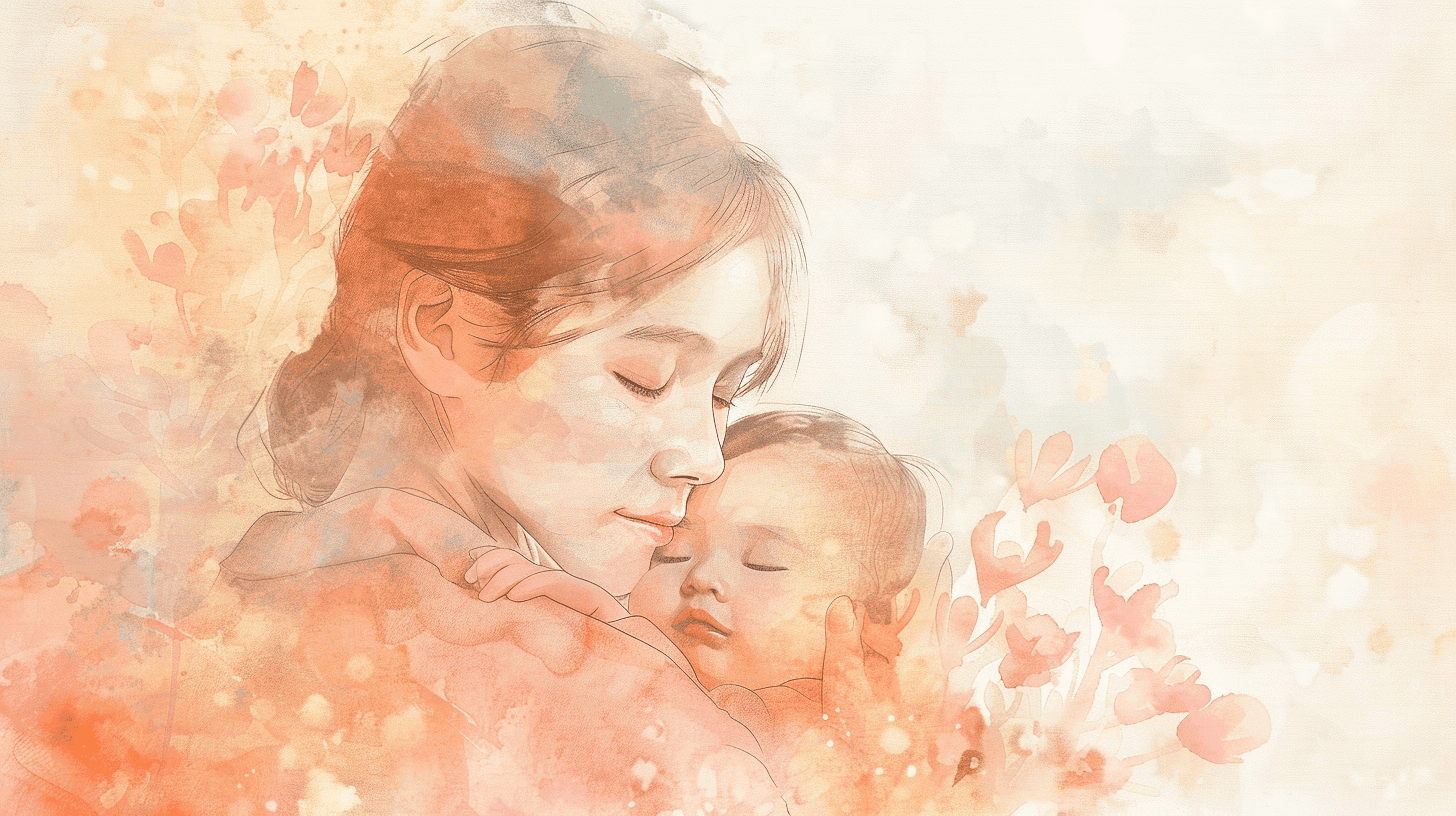
It's 3 a.m. and you're feeding the baby in the dark, scrolling your phone with your free thumb. Everyone said to cherish these moments. You're not cherishing anything. You're bored and exhausted, and the second you notice that, the guilt comes in. Then you remember you gave her a bottle earlier so you could sleep, and you didn't do tummy time today, and you snapped at your partner over the dishwasher. By the time she's done eating, you've built a whole case against yourself.
I see this in my office every week. A large part of my work is with high-achieving moms who were good at everything before the baby, and who now run a quiet, constant tally of everything they're getting wrong. As a psychologist and a mom, I want to help you see where that guilt comes from, when it's telling you something useful, and when it's a symptom that deserves care.
What postpartum guilt feels like
Some guilt is part of caring about someone. Postpartum guilt is different. It's persistent, and it's about almost everything:
- A running commentary in your head about what you did wrong today
- Replaying small moments over and over, like the baby crying while you showered
- Feeling guilty, then guilty about feeling guilty, then guilty for not being grateful enough
- Measuring yourself against other moms, in person or online, and always coming up short
- Physical signs: a tight chest, a knot in your stomach, lying awake going over the day
It can also hide: saying yes to everything because no feels impossible, apologizing to your partner every time you ask for help, agonizing over every decision because getting it wrong feels catastrophic.
The most common sources of mom guilt
- "I'm not bonding the way I expected." For a lot of moms, bonding builds over weeks or months, and it often clicks more once the baby starts smiling and responding. A hard birth, a NICU stay, feeding struggles, or depression can slow it down. None of that says anything about what kind of mom you are.
- "I'm not enjoying this." The newborn stretch is often survival mode. Not enjoying it right now means you're in the hard part, not that you'll never enjoy being a mom.
- "I sometimes resent my baby." This is the one moms are most afraid to say out loud. You can love your baby completely and still resent the loss of sleep, freedom, and your old life. Both are true. Resentment is a sign you're stretched thin.
- "I went back to work" or "I stayed home." There's no winning this one. Both choices cost something, and both are good choices. I wrote more about the guilt of going back to work here.
- "I stopped breastfeeding" or "I want to." Fed babies thrive, by breast or bottle. If feeding is wrecking your mental health, changing course is taking care of both of you.
- "I yelled." Every parent loses their temper sometimes. What matters is going back and repairing it. Kids learn a lot from a parent who says "I got too loud, I'm sorry." If the anger feels bigger than that, here is more on postpartum rage.
Why postpartum guilt is so intense
- Your brain is on high alert. After a baby, your brain gets very good at scanning for anything that could go wrong. That protects your baby, and it also turns on you, flagging every small imperfection as a threat.
- You're sleep deprived. On broken sleep, negative feelings hit harder and it's much harder to keep perspective. A small mistake at 3 a.m. feels like proof of something.
- The standard is impossible. Endlessly patient, always present, breastfeeding, working but not too much, a clean house, a happy marriage, and making it look easy. No one can meet that, and yet most moms judge themselves against it daily.
- You're doing it with less help than it takes. Other moms often have more support than you can see from the outside. When you don't have it and you struggle, you tend to blame yourself for what is really a lack of support.
- Old patterns come back up. This one comes up a lot in therapy. Becoming a mom brings old things to the surface: how you were raised, what you learned about being "good," a parent who was critical or hard to please. Sometimes the voice saying you're failing is an old one. Understanding where it comes from makes it much easier to stop obeying it.
Guilt vs shame
| Guilt says | Shame says |
|---|---|
| "I did something I don't feel good about." | "I am bad. I'm a bad mom." |
Guilt can be useful. If you snapped at your partner, guilt nudges you to go apologize, and then it can let go. Shame doesn't move you anywhere. It just makes you smaller and more alone. When you catch yourself thinking "I'm a terrible mom," ask what specific thing you're actually upset about. Often there's either a small repair to make or nothing to fix at all.
How to cope with postpartum guilt
- Name it. "I'm feeling guilty about not playing with her more today." Naming it gives you a little distance from it.
- Check the thought. Is this completely true? Would I say this to a friend in my exact situation? Am I comparing myself to perfect instead of good enough? This is a core CBT tool, and it works well for guilt. Here is more on how CBT helps with postpartum depression.
- Aim for good enough. The pediatrician and psychoanalyst Donald Winnicott described the "good enough" parent decades ago: babies don't need a perfect parent, they need one who meets their needs most of the time and repairs when things go wrong. That's the real job.
- Ask where the rule came from. Is this a standard you actually believe in, or one you picked up from social media, your family, or the way your own mom did things? You get to decide what good parenting looks like in your house.
- Say it out loud to someone safe. Guilt shrinks when you share it. Telling a friend, your partner, or a group of other moms "I feel guilty that..." and hearing "me too" is one of the fastest ways to loosen its grip. Here are support groups in Austin.
- Take one thing off your plate this week. Guilt spikes when you're depleted. Pick something that can wait.
- Protect one hour a day that is yours. A nap, a walk, a shower, a book, with nobody needing anything from you. That hour is what lets you be present the rest of the day.
When guilt is a sign of postpartum depression or anxiety
Persistent, heavy guilt is one of the common symptoms of postpartum depression, and it's often part of postpartum anxiety too. Postpartum depression doesn't always look like sadness.
Reach out to a perinatal mental health specialist if:
- The guilt is there most of the day and doesn't ease with rest or reassurance
- You feel like a burden, or believe your baby would be better off without you
- The guilt is getting in the way of bonding, sleeping, or getting through the day
- It comes with low mood, numbness, constant worry, or losing interest in things
- You're having scary or unwanted thoughts and feel ashamed of them
In therapy, I use CBT for the practical tools, interpersonal therapy for the role change and the relationships around you, and psychodynamic work for the older patterns that keep the guilt going. Most moms I work with come weekly for the first 8 to 12 weeks and feel substantially like themselves within a few months.
If you love a mom who is drowning in guilt
Don't tell her she has nothing to feel guilty about; it usually makes her feel unheard. Try "I can see how hard you're being on yourself," then tell her specifically what she's doing well. Take the baby for two hours so she can rest, and if the guilt seems to be swallowing her, help her find someone to talk to.
If you want to work on this on your own
A lot of postpartum guilt is the inner critic running the show, and that critic can be retrained.
I made a self-paced course, Postpartum Wellness Foundations, for moms who want to feel steadier day to day. It covers what's normal and what's worth getting checked after a baby, how to quiet perfectionism and the inner critic with self-compassion, quick ways to calm an overwhelmed nervous system, and how to build the support you actually need, including how to talk with your partner about it. It comes with printable workbooks and short guided meditations, and you can go at your own pace. You can watch the first lesson free before you decide.
Working with me
I'm a licensed clinical psychologist, a certified perinatal mental health specialist, and a large part of my week is spent with high-achieving moms whose guilt and perfectionism got louder after the baby. We work on the critic in the moment and on where it came from, so it stops running your days. I see moms in Austin or on video, and babies are always welcome in my office.
You don't have to be "bad enough" to benefit from support. Many of the moms I work with aren't clinically depressed at all. They're dealing with the everyday stress of becoming a mom, and therapy helps with that just as much as it helps with depression or anxiety.
The first step is a free 15-minute call. Tell me what has been going on, and I will tell you honestly what I think would help.
Frequently asked questions
- Is postpartum guilt normal?
- Some guilt is part of caring about your baby, and almost every new mom feels it. It becomes a problem when it's constant, covers almost everything you do, and doesn't ease with rest or reassurance. That kind of guilt deserves attention and support.
- Why do I feel so guilty after having a baby?
- Several things stack up: a brain on high alert for anything that could go wrong, broken sleep, impossible standards for what a good mom looks like, less help than the job takes, and sometimes old patterns from how you were raised that come back up after a baby.
- What is the difference between guilt and shame?
- Guilt says you did something you don't feel good about, and it can nudge you to repair and then let go. Shame says you are bad, and it just makes you feel smaller and more alone. When you think you're a terrible mom, look for the specific thing underneath; often there's a small repair to make or nothing to fix at all.
- Can guilt be a sign of postpartum depression?
- Yes. Heavy, persistent guilt is a common symptom of postpartum depression and often part of postpartum anxiety. If it's there most of the day, comes with low mood or constant worry, or you feel like a burden to your family, talk with your OB or a perinatal mental health specialist.
- How do I stop feeling guilty as a new mom?
- Name the guilt, check whether the thought is really true, aim for good enough instead of perfect, ask where the rule came from, and say it out loud to someone safe. Taking something off your plate and protecting one hour a day for yourself helps too. If it doesn't ease, therapy can help.

Dr. Jana Rundle
Licensed Clinical Psychologist